
How DGSA consultancy helps keep dangerous goods transport legal
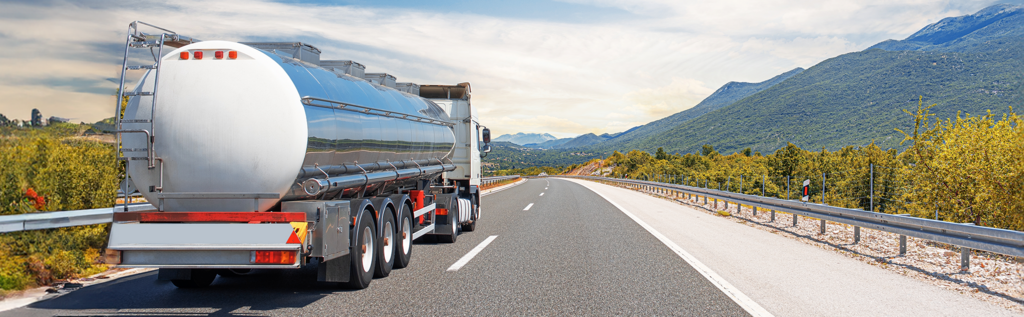
Most companies or business that handles dangerous goods must legally have a Dangerous Goods Safety Adviser (DGSA) within their team. This requirement is not restricted to those who send or receive the goods, but also includes those involved in transporting, handling, storing, packaging, and managing the goods as part of their logistical operation.
The role of the DGSA is to ensure that ADR regulations are being met and that the classification of all goods is both accurate and precise. While some companies and larger fleets appoint an in-house DGSA, others opt for the convenience and ease of an external consultancy that keeps on top of legislative changes and ensures the business is fully compliant.
What does DGSA consultancy cover?
If your company cannot justify an in-house team member whose sole job it is to manage dangerous goods safety and compliance checks, then the best thing to do is appoint an external consultancy.
By opting for DGSA consultancy, businesses benefit from a broad breadth of knowledge, including how to navigate dangerous goods restrictions and how to ensure classification and labelling are accurate. From packaging and labelling right through to transportation and delivery, the DGSA is there to ensure that every step of the process is being carried out safely, with an eye to legal requirements and responsibilities.
This is crucial for businesses that operate in the dangerous goods transportation sector, as it ensures they are operating legally and safely and outlines their obligations to mitigate risks and maintain high levels of security throughout the freight process.
What kinds of loads are considered ‘dangerous’ under ADR regulations?
There are nine different classifications that indicate when a load is dangerous or contains an element which is considered dangerous. It is important that the right classification is used, as this ensures that the load is handled securely.
A DGSA consultant may offer advice as to the best mode of transport or carriage depending on the classification of the load and will check packaging as well as documentation and even the proposed route, prior to travel.
Just some of the classifications that DGSA consultants deal with include ADR Class 2 gas transportation, ADR Class 5 fertiliser transportation, Class 8 chemical transportation, and ADR Class 6.1 asbestos removal and pesticide manufacturing.
Does my fleet need a DGSA consultant?
If you transport, handle, or deal with the movement of any of the above classified dangerous goods, and you don’t have a team member whose job it is to manage the transportation of these goods and their safety from packaging to arrival, then DGSA consultancy is for you.
At Novadata, our DGSA consultancy service can be tailored and adapted to your needs, covering everything from pre-freight advice to logistics management, full safety assessments, and more. Get in touch to find out more
If your organisation does require an in-house DGSA, our DGSA training courses prepare candidates to sit the required SQA examinations.