
How long must tachograph records be kept? A compliance guide for operators
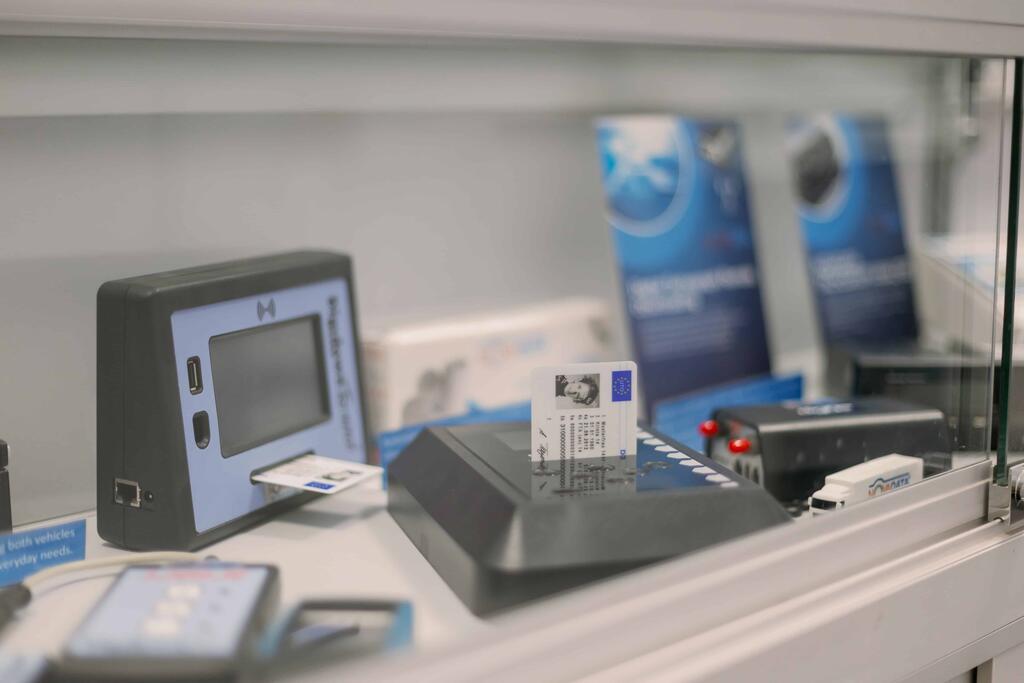
Whether you manage a passenger vehicle fleet or an industrial fleet for the commercial sector, installing a tachograph is a regulatory requirement for most vehicles used commercially. This includes goods vehicles with a gross vehicle weight (GVW) exceeding 3.5 tonnes, and passenger vehicles adapted to carry more than nine people (including the driver). Some exemptions apply, so if you are unsure whether your vehicles fall within scope, call us today, and we’d be happy to help.
Not only is the tachograph important for independent driver data, but it also allows fleet managers to quickly and effectively access information about the vehicle and its usage. In short, this device is used every day that the vehicle is active, storing information relating to the driver's working hours and the vehicle's activity.
But how long should records be kept and stored? And is this information purely useful for drivers and fleet managers, or does it need to be accessed by bodies outside of an organisation too?
What do tachograph records tell us and why is the data important?
Tachograph records are used by drivers to log their active driving hours and breaks. Using their unique driver card, drivers clock in the hours spent driving and resting while on shift, with the tachograph also tracking driving speed and distance, activity modes, and any notable events that take place during a journey such as power interruptions or card errors.
Modern digital tachographs mark a move away from analogue tracking and data input, instead embracing sensor-led activation and monitoring. This information is then used to ensure and prove compliance with driving hours standards and other regulations.
There are currently three generations of tachograph in use: analogue (chart-based), digital, and smart tachographs. Smart tachographs (mandatory for newly registered vehicles since 2019) add capabilities including satellite position recording and remote detection by enforcement authorities. Operators whose vehicles travel internationally should also check whether retrofitting requirements apply to their fleet, as phased deadlines for smart tachograph installation on international vehicles have been in effect since 2023.
Suffice to say, tachographs are made up of data and information from all corners of a commercial, passenger or industrial fleet. But how long does that information need to be stored to ensure compliance?
Tachograph data storage regulations
If the DVSA comes to inspect your company or fleet, tachograph data plays an integral role in highlighting and underpinning your commitment to both driver safety and legal compliance. Under current legislation at the time of writing (May 2026), fleet managers and company owners need to retain tachograph data for at least 12 months, though some components of your company data need to be kept for longer.
The way the tachograph works is that data is downloaded from each vehicle's device and stored on a central system. These downloads are a legal requirement: driver card data must be downloaded at least every 28 days, and vehicle unit data must be downloaded at least every 90 days. Missing these windows is a breach of the regulations in its own right, regardless of whether the underlying driving hours were compliant. The data should then be kept for the minimum 12-month period, though many fleet managers hold onto data for much longer than this in case it is required.
Are there any discrepancies to the 12-month rule?
While most everyday driver and vehicle data should be kept for a minimum of 12 months, there are some documents and data extractions that should be kept for longer. These include records that are connected with ongoing investigations or legal proceedings, documents relating to international haulage or transport, and any documents that connect with active insurance claims.
Regardless of whether you are working with a manual or a digital system, safe storage is crucial, with companies urged to consider backup systems and address any security considerations involving their data.
When will data be needed, and what should I expect?
If the DVSA does come looking for your tachograph data, then you need to be able to provide it in a cohesive way. Some fleets are subject to random roadside checks while others are required to carry out full premises inspections. In both instances, tachograph data is important and will need to be accessed to not only prove their validity but also to highlight thorough understanding and organisation of the data.
Non-compliance can result in fines and revoked licences, which is why proper data storage and retention policies are so important.
In summary, tachograph data needs to be kept for at least 12 months for Drivers Hours rules, but the working time rules require records to be kept for at least 24 months. This is to ensure legal compliance, though most fleet managers choose to keep data for a longer period to cover themselves in the case of ad hoc inspections and queries. Find out more about tachograph data storage, analysis services, and accessing the digital products themselves by getting in touch with Novadata directly.